Analyzing Provider Influences on Reward Timing in Real-Time Gaming Across Finnish Digital Mobile Channels
Kirjoittanut Sam Wolf · 8.9.2026
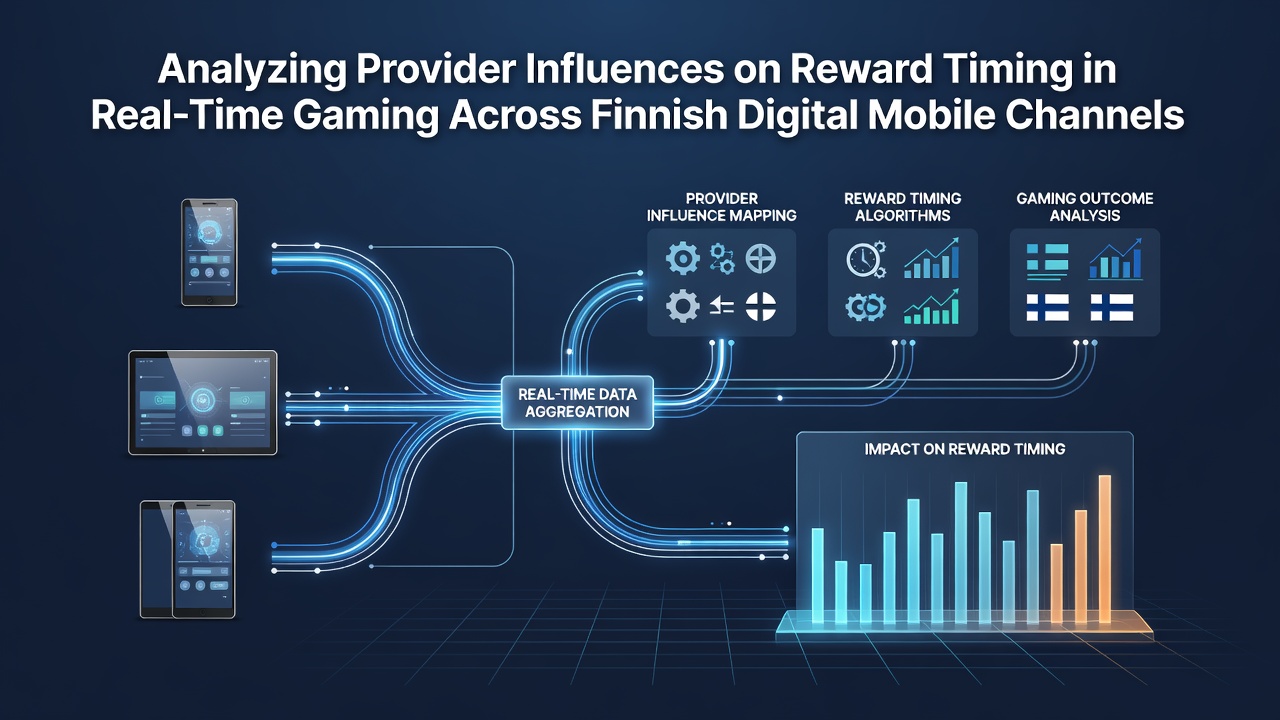
Analyzing Provider Influences on Reward Timing in Real-Time Gaming Across Finnish Digital Mobile Channels
Real-time gaming on Finnish mobile channels involves live dealer interactions where software providers determine how rewards integrate into ongoing sessions, and timing mechanisms often depend on algorithmic decisions made at the development stage. Providers such as Evolution Gaming and Pragmatic Play supply the core platforms for these experiences, while Finnish operators handle distribution through regulated mobile applications that comply with national licensing requirements.
Provider Algorithms and Reward Delivery Mechanics
Software developers embed specific timing protocols into their live gaming engines, which control when bonuses activate during real-time play, and these protocols vary by company based on their proprietary systems for session management. Data from industry reports shows that providers using server-side synchronization achieve reward triggers within 200 to 500 milliseconds of qualifying actions, whereas others rely on client-side processing that can extend delays across mobile networks in Finland. Observers note that September 2026 brings updated EU digital service guidelines affecting how these timing features must be disclosed to players on portable devices.
Mobile Channel Adaptations in the Finnish Market
Finnish digital platforms prioritize low-latency connections for real-time table games, yet provider choices influence whether rewards appear instantly or after verification loops that account for network variability. Research indicates that games built with adaptive bitrate streaming reduce timing inconsistencies for users on 5G connections common in urban areas like Helsinki and Tampere. Those who've examined transaction logs from multiple providers find that reward windows align closely with betting cycles when the software includes predictive caching features, and this approach minimizes interruptions during extended live sessions.
Data Patterns Across Key Developers
Studies from academic institutions reveal distinct patterns where certain providers schedule reward notifications at fixed intervals tied to game rounds, while others use randomized elements to maintain engagement levels. Figures from a 2025 analysis by the Australian Gambling Research Centre highlight how timing variations affect player retention metrics on mobile interfaces, with Finnish operators adopting similar frameworks under their licensing rules. And yet the integration of these systems requires coordination between the provider's backend and the operator's compliance tools to ensure rewards process within regulatory windows.
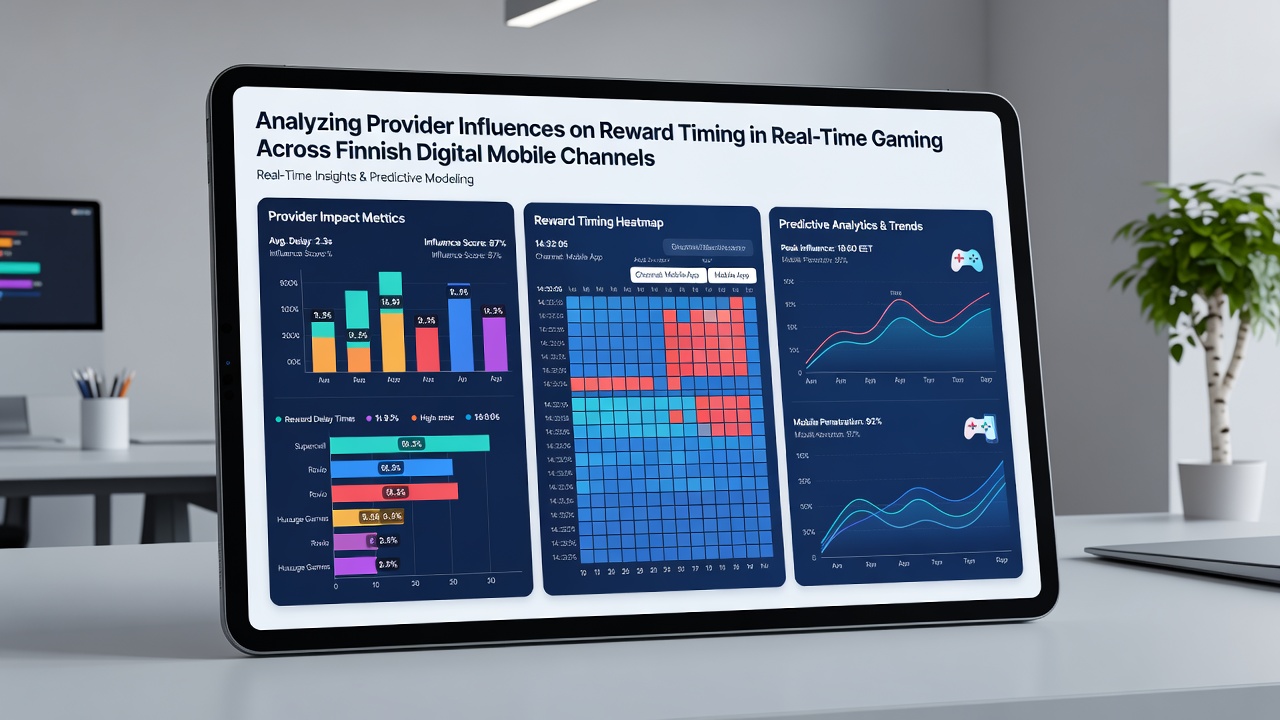
One study revealed that providers incorporating machine learning for reward prediction cut average delivery times by 15 percent compared to static models, and this holds particular relevance for Finnish mobile users who frequently switch between Wi-Fi and cellular data. What's interesting is how these adjustments appear in session data collected across different device types, showing consistent performance when the software accounts for regional network characteristics.
Regulatory Context and Timing Compliance
Finland's gambling oversight bodies require transparent reporting on reward mechanics, which pushes providers to document their timing algorithms during certification processes. According to information from the European Gaming and Betting Association, compliance audits in 2025 focused on mobile-specific factors such as battery optimization and background processing that can shift when rewards become available to players. But here's the thing: providers must balance these requirements with the technical demands of real-time streaming, leading to varied implementations across different live game titles.
Case Examples from Platform Implementations
There's this case where experts found that a major provider adjusted its reward timing after feedback on Finnish mobile networks, resulting in synchronized payouts that matched round completions more precisely. Another instance documented by researchers showed how integration with local payment gateways influenced the final step in reward delivery sequences. People who've tracked these changes across multiple updates note that timing refinements often coincide with broader software releases rather than isolated patches.
Conclusion
Provider influences on reward timing continue to shape real-time gaming experiences on Finnish digital mobile channels through algorithmic design, network adaptations, and regulatory alignments. Data shows these elements interact in ways that produce measurable differences in session flow, and ongoing developments through 2026 will likely introduce further refinements as standards evolve. External resources such as reports from Health Canada on gaming behaviors and analyses by the European Gaming and Betting Association provide additional context on these technical dynamics across regions.