Developer Adaptations for Syncing Finnish E-Wallet Flows with Live Dealer Mechanics in Mobile Jackpot Environments
Kirjoittanut Sam Wolf · 3.11.2026
Developer Adaptations for Syncing Finnish E-Wallet Flows with Live Dealer Mechanics in Mobile Jackpot Environments
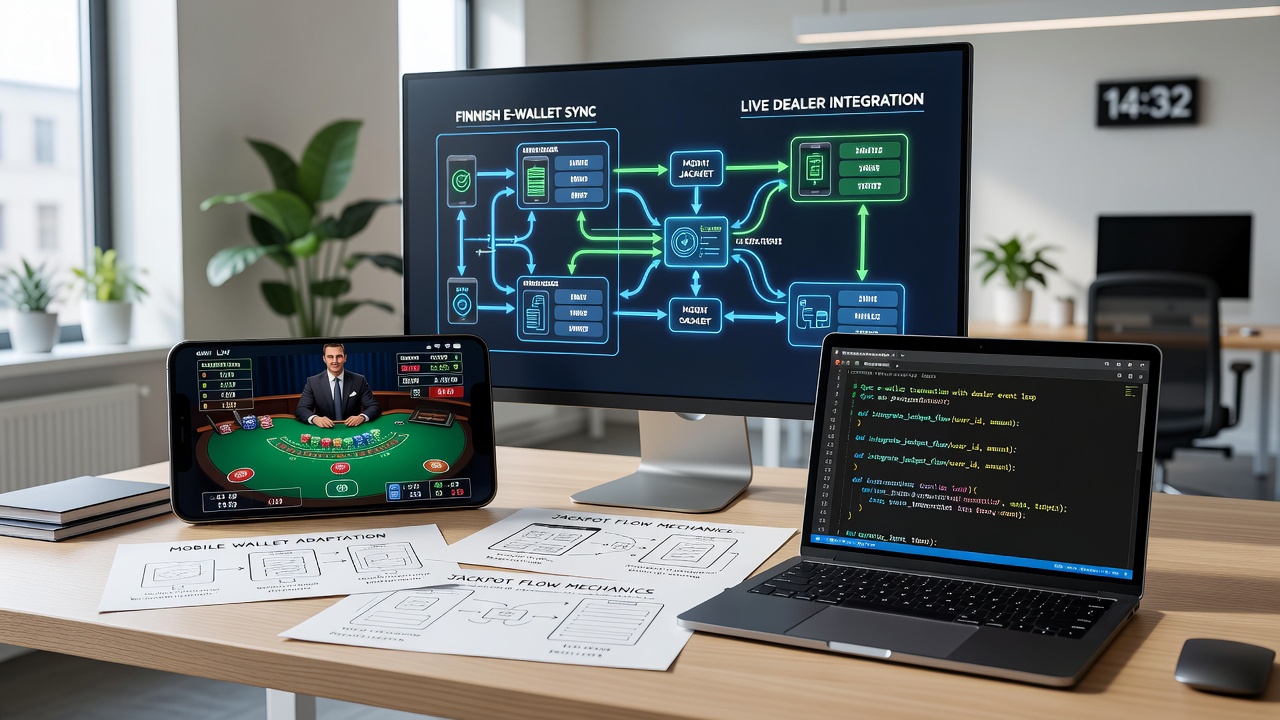
Developers have focused on creating seamless connections between Finnish e-wallet systems and live dealer platforms in mobile jackpot settings, where real-time transaction processing meets interactive gaming elements. These adaptations address the need for instant fund movements while players engage with dealers and progressive jackpot features unfold across portable devices.
Core Technical Requirements for Real-Time Synchronization
Live dealer mechanics demand low-latency responses because jackpot triggers occur during active sessions that involve video streams and player decisions. Finnish e-wallets such as those integrated with local banking networks require secure API calls that confirm transfers within milliseconds to avoid disruptions in gameplay flow. Developers implement event-driven architectures that use webhooks to push transaction status updates directly into the game engine, allowing the mobile application to reflect balance changes without requiring manual refreshes from users.
Research from the Bank for International Settlements indicates that payment systems in Nordic markets prioritize instant settlement protocols, and this influences how gaming platforms structure their backend connections. Payment system data from international financial reports shows increasing adoption of open banking standards that enable direct account linkages for e-wallets commonly used in Finland.
Handling Mobile Network Variability and Latency
Mobile environments introduce packet loss and variable signal strength that can delay e-wallet confirmations during live sessions. Developers counter these issues by building fallback mechanisms that queue transactions locally on the device until a stable connection resumes, then reconcile them with the central server once the signal stabilizes. This approach maintains continuity in jackpot tracking even when players move between Wi-Fi and cellular networks.
Additional layers include predictive caching of session data and compression of API payloads to reduce bandwidth demands. Those who have examined mobile gaming infrastructure note that these adjustments become essential when progressive jackpots accumulate across thousands of concurrent sessions, each tied to individual e-wallet accounts.
Security Protocols and Data Flow Management
Encryption standards receive particular attention because e-wallet flows carry sensitive banking identifiers alongside live game metadata. Developers apply tokenization to replace actual account details with temporary references that expire after each transaction cycle, limiting exposure during live dealer interactions. Multi-factor authentication steps integrate directly into the mobile interface so players complete verification without leaving the game screen.

Compliance with data protection regulations drives further adaptations, including audit trails that log every synchronization event for regulatory review. Figures from European digital finance analyses reveal steady growth in secure payment integrations across gaming platforms operating in regulated markets.
Integration Patterns Observed in 2026 Deployments
By November 2026 several development teams had rolled out updated frameworks that embed Finnish e-wallet logic into unified live dealer engines. These frameworks use modular microservices that isolate payment processing from core game logic, enabling independent scaling when jackpot pools expand rapidly. Observers tracking industry releases note that containerized deployments allow faster updates to transaction modules without interrupting ongoing live sessions.
Case examples include platforms where jackpot win notifications trigger immediate e-wallet push notifications on the player's device, followed by automated reconciliation checks that confirm the transfer before displaying updated balances. Such patterns reduce the window between game outcome and fund availability, supporting uninterrupted participation in subsequent rounds.
Conclusion
Developers continue refining synchronization methods that link Finnish e-wallet flows with live dealer mechanics inside mobile jackpot environments through targeted API designs, latency mitigation techniques, and layered security measures. These adaptations reflect ongoing responses to technical constraints and regulatory expectations in portable gaming ecosystems.