Examining how Finnish payment processors sync with developer tools to unlock timed features in portable jackpot and live table experiences
Kirjoittanut Anna Otto · 17.11.2026
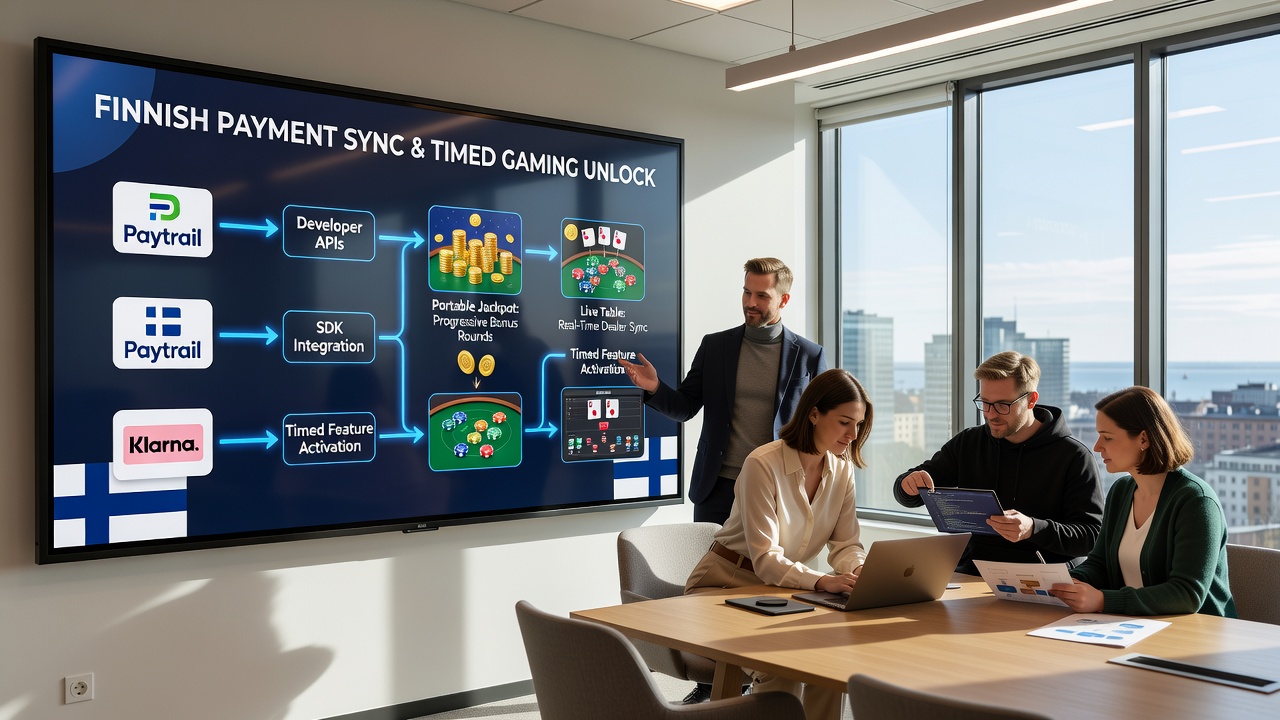
Examining how Finnish payment processors sync with developer tools to unlock timed features in portable jackpot and live table experiences
Payment processors operating under Finnish regulatory frameworks connect directly with software developer APIs to activate time-sensitive elements in mobile jackpot games and live dealer tables, and these connections rely on standardized data exchange protocols that track transaction confirmations in real time. Observers note that the synchronization occurs through secure webhooks and encrypted API calls, which transmit payment status updates to game servers within milliseconds of authorization.
Integration Mechanisms Between Processors and Game Engines
Finnish e-wallet providers and bank transfer services align their backend systems with developer platforms such as those from established gaming studios, and this alignment enables features like progressive jackpot timers that activate only after a deposit clears or live table bonuses that unlock during specific session windows. Data indicates that the process begins when a player initiates a transaction, at which point the processor sends a confirmation payload containing timestamps and amount details to the game provider's server cluster.
Developers embed listener scripts within their mobile applications that monitor these incoming signals, and the scripts then adjust game state variables accordingly. For instance, a jackpot contribution meter might increment only after the payment processor reports a successful fund transfer, while live table elements such as dealer tip multipliers could activate based on the same verification event. Studies from European gaming research groups show that latency in these exchanges averages under 200 milliseconds on regulated Finnish networks during peak hours in late 2026.
Technical Standards and Security Protocols
Industry standards developed by organizations including the Gaming Standards Association require mutual authentication between payment endpoints and game servers, and this requirement ensures that timed features cannot trigger without verified transaction data. Finnish operators implement OAuth 2.0 flows combined with digital signatures, which protect the integrity of timing parameters passed between systems. Researchers have documented that these protocols prevent replay attacks that could otherwise manipulate bonus expiration clocks or jackpot eligibility periods.
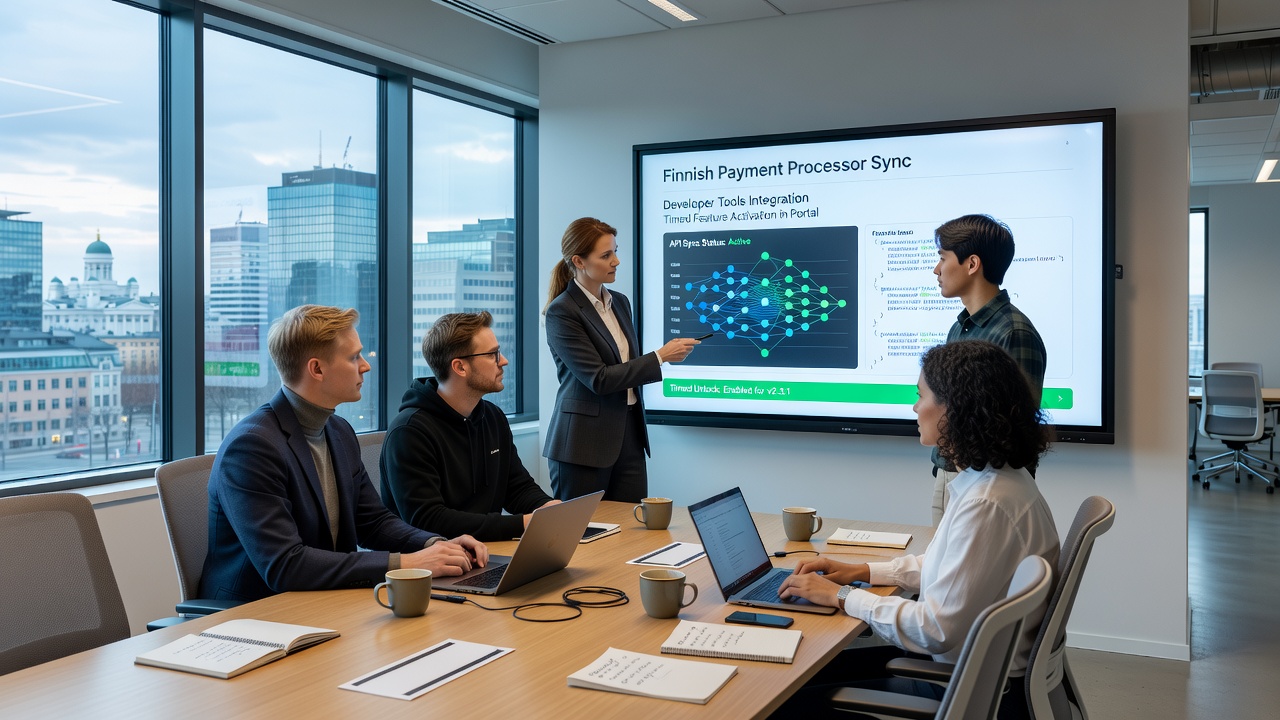
One case examined by analysts involved a major Finnish processor routing funds through an intermediary API gateway before reaching the game provider, and the gateway added metadata fields that specified exact activation windows for mobile jackpot entries. Live table sessions benefited similarly when dealer interaction tools received parallel signals confirming player deposit times, allowing synchronized reward releases across multiple tables. Figures released in industry reports reveal that such layered integrations reduced unauthorized feature access incidents by measurable margins across Nordic mobile platforms throughout 2025 and into November 2026.
Real-Time Data Flows in Mobile Environments
Mobile applications on Finnish-licensed platforms maintain persistent connections to both payment processors and game servers simultaneously, and this dual linkage permits continuous synchronization of timed mechanics. When a deposit occurs, the processor pushes an event notification that updates the player's session token with new eligibility markers, which the game engine then reads to adjust jackpot pool timers or live dealer bonus counters. Experts have observed that these flows operate within strict session management rules that reset timers upon logout or network interruption.
Portable jackpot games often feature accumulating prize pools that advance only during verified play periods, and developer tools embed conditional checks that reference the most recent processor confirmation timestamp before allowing further contributions. Live table experiences incorporate similar logic where player actions during dealer rounds unlock multipliers solely after payment status verification completes. According to data compiled by international gaming technology associations, these mechanisms support consistent user experiences across iOS and Android devices used by Finnish players.
Regulatory Compliance and Timing Controls
Finnish gambling authorities mandate that all timed features align with responsible gaming guidelines, and payment processor integrations must log every activation event with precise timestamps for audit purposes. Compliance systems cross-reference transaction records against game state changes to verify that features activate only within approved parameters. Reports from EU-wide research institutions highlight that such oversight extends to mobile environments where live tables and progressive jackpots operate concurrently.
Developers update their toolkits periodically to accommodate new processor capabilities, and these updates include revised API schemas that support additional timing variables for future feature expansions. In practice, the synchronization supports combined experiences where a single deposit can influence both jackpot eligibility and live table rewards without separate manual interventions.
Conclusion
The technical linkages between Finnish payment processors and gaming developer tools establish reliable pathways for timed feature activation in mobile jackpot and live table products. These connections depend on secure, low-latency data exchanges that meet regulatory standards while supporting dynamic game mechanics across portable platforms. Continued refinements in API specifications and compliance logging maintain the operational integrity of these systems as usage patterns evolve.