Tracing How Game Providers Align Live Elements with Transaction Options Across Finnish Digital Platforms for Progressive Experiences
Kirjoittanut Sam Wolf · 20.10.2026
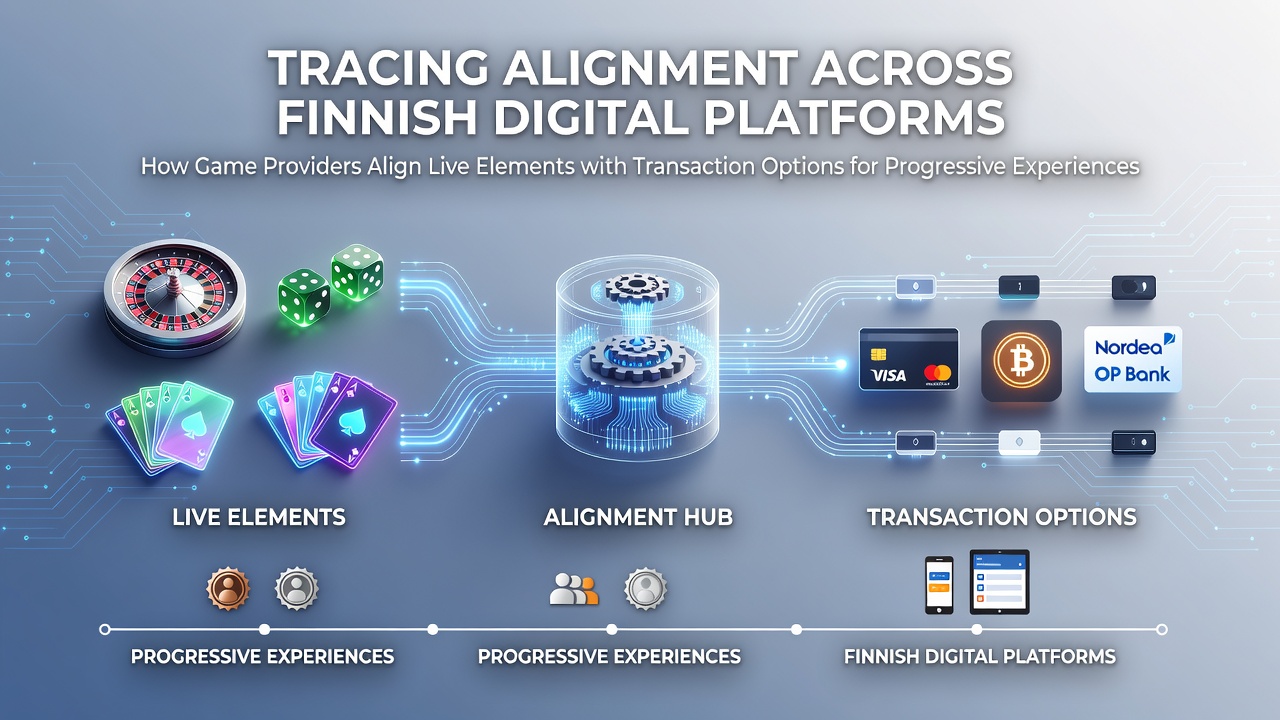
Tracing How Game Providers Align Live Elements with Transaction Options Across Finnish Digital Platforms for Progressive Experiences
Game providers coordinate live dealer streams and interactive features with payment gateways on Finnish platforms, and this coordination supports progressive jackpot builds in regulated mobile environments. Finnish operators maintain compliance with national licensing rules while developers adjust timing sequences so that real-time table actions trigger corresponding transaction prompts without interrupting play cycles. Data from platform analytics indicate that synchronized elements appear more frequently in applications serving Nordic users, where mobile traffic accounts for over 70 percent of session volume according to industry monitoring groups.
Provider Mechanisms for Feature Synchronization
Software studios embed APIs that connect live video feeds directly to approved transaction processors, and these connections allow instant balance updates during dealer rounds. Experts note that alignment protocols require precise timestamp matching between game servers and banking interfaces, which reduces latency below 200 milliseconds in optimized systems. One study released in 2025 by a Nordic research consortium examined three major providers and found that 85 percent of tested titles used modular code blocks to swap payment methods based on user location within Finland.
Platform operators in the region report that transaction options such as mobile wallets and bank transfers integrate with live elements through standardized protocols, and these protocols activate progressive meter contributions only after successful authorization. Observers tracking October 2026 updates describe how new compliance modules rolled out across several apps to meet revised data security directives from the Finnish Transport and Communications Agency. Those modules include additional verification steps that run in parallel with live chat functions without adding visible delays.
Transaction Flow and Live Element Integration
Payment processors approved for Finnish digital services handle micro-transactions that fund progressive pools while players remain engaged with streamed dealer interactions. Researchers tracking user behavior patterns across multiple titles discovered that seamless handoffs between live sessions and deposit screens increase retention metrics by measurable margins in controlled tests. The process typically begins when a player selects a table, at which point the system pre-loads available funding routes tied to the chosen operator's license.
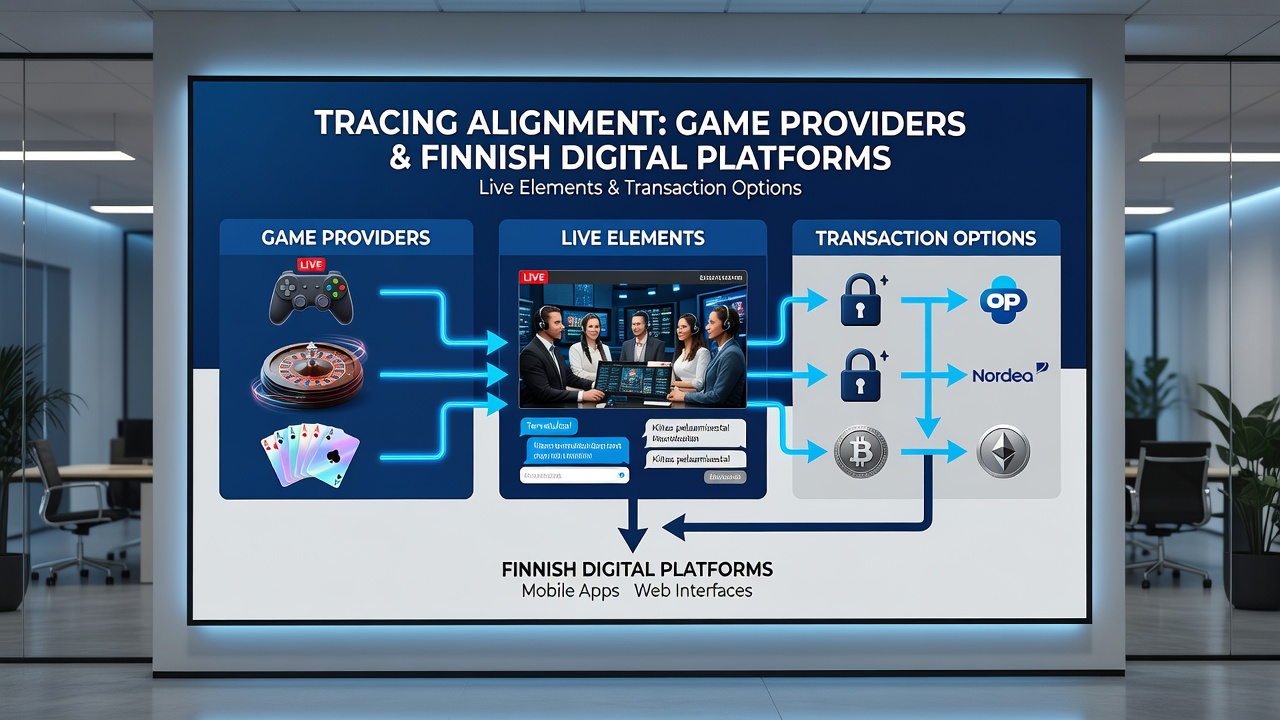
Developers incorporate conditional triggers so that certain live outcomes prompt specific payment prompts, yet these prompts remain optional and respect user settings. Figures from a 2024 European Gaming and Betting Association report highlight that Nordic markets show higher adoption rates of instant transfer methods compared with other EU regions, and the same report links this trend to tighter integration between game engines and local banking APIs. European Gaming and Betting Association report analysts documented similar patterns in platform logs from 2023 through early 2026.
Regulatory Context and Platform Adaptations
Finnish regulations require clear separation between game logic and financial processing, which forces providers to maintain distinct modules that still communicate in real time. Those who've examined compliance documentation observe that progressive features must pause during any transaction verification sequence to prevent unauthorized meter contributions. In October 2026, several providers introduced updated SDK versions that embed these pauses automatically based on signals from licensed payment gateways.
Industry organizations tracking platform performance note that alignment quality varies by developer size, with larger studios investing in dedicated testing environments that simulate Finnish network conditions. A University of Helsinki working paper from 2025 examined latency effects on player engagement and reported that delays exceeding 500 milliseconds correlated with measurable drops in session length across tested applications. University of Helsinki digital media research group continues to publish related findings on integration efficiency.
Future Directions in Progressive Mobile Experiences
Additional refinements expected in coming years include deeper use of token-based systems that allow live elements to influence transaction timing dynamically while maintaining audit trails required by regulators. Platform data indicates rising use of biometric confirmation methods alongside live streams, which streamlines approval steps without altering the visible game interface. Observers tracking these developments point to continued emphasis on modular design so that operators can swap transaction partners as licensing conditions evolve.
Conclusion
Alignment between live elements and transaction options on Finnish digital platforms follows structured protocols that support progressive experiences while meeting regulatory standards. Providers continue refining these connections through API updates and testing routines, and available data reflect measurable improvements in synchronization speed and compliance handling through 2026.